
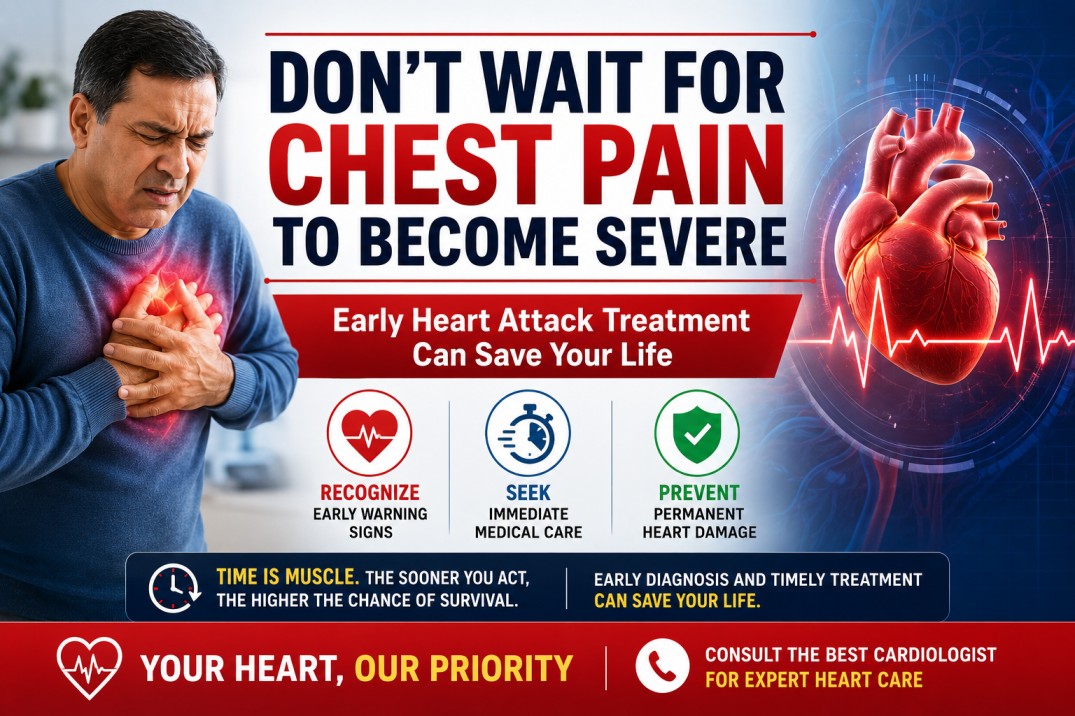
Heart attacks are among the leading causes of death worldwide, yet many lives can be saved through timely diagnosis and treatment. One of the biggest mistakes people make is ignoring early warning signs or waiting for chest pain to become unbearable before seeking medical attention. Unfortunately, every minute counts during a heart attack. The sooner treatment begins, the greater the chances of preventing permanent heart damage and saving a life.
If you or your loved ones experience symptoms that may indicate a heart attack, immediate medical care is essential. Consulting the Best Cardiologist in Shalimar Bagh Delhi, Dr. Nityanand Tripathi, can help ensure prompt diagnosis, expert treatment, and improved heart health outcomes.
Understanding a Heart Attack
A heart attack, medically known as myocardial infarction, occurs when blood flow to a part of the heart muscle becomes blocked. This blockage is usually caused by a buildup of fatty deposits, cholesterol, and plaque in the coronary arteries. Without adequate blood supply, the heart muscle begins to suffer damage.
The severity of a heart attack depends largely on how quickly blood flow can be restored. Delayed treatment can lead to irreversible heart muscle damage, heart failure, abnormal heart rhythms, or even death.
Why Early Treatment Matters
Cardiologists often say, “Time is muscle.” This means that the longer the heart remains deprived of oxygen-rich blood, the more heart muscle is permanently damaged.
Seeking treatment within the first few hours of symptom onset offers several benefits:
- Reduced heart muscle damage
- Better survival rates
- Lower risk of complications
- Faster recovery
- Improved quality of life after treatment
Modern treatments such as angioplasty, stenting, clot-dissolving medications, and advanced cardiac interventions can restore blood flow effectively when administered promptly.
Warning Signs You Should Never Ignore
Many people believe that a heart attack always causes severe chest pain. However, symptoms can vary from person to person.
Chest Discomfort
The most common symptom is pressure, tightness, squeezing, or pain in the chest. It may last for several minutes or come and go.
Pain Radiating to Other Areas
Pain may spread to the:
- Left arm
- Right arm
- Neck
- Jaw
- Shoulder
- Back
Shortness of Breath
Difficulty breathing can occur with or without chest discomfort and should never be ignored.
Excessive Sweating
Cold sweats or sudden unexplained sweating can indicate a cardiac emergency.
Nausea and Dizziness
Many patients, especially women, experience nausea, vomiting, lightheadedness, or dizziness during a heart attack.
Extreme Fatigue
Unusual tiredness that cannot be explained by physical activity may be an early warning sign.
Recognizing these symptoms early and seeking emergency medical attention can make a life-saving difference.
Silent Heart Attacks Are More Common Than You Think
Not all heart attacks produce dramatic symptoms. Some individuals experience what are known as silent heart attacks. These may cause mild discomfort, fatigue, indigestion-like symptoms, or no noticeable symptoms at all.
Silent heart attacks are particularly common among:
- Diabetic patients
- Older adults
- Women
- Individuals with high blood pressure
Regular heart checkups and preventive cardiac evaluations can help identify hidden risks before they become life-threatening.
Risk Factors That Increase Heart Attack Risk
Understanding your risk factors is crucial for prevention.
Major risk factors include:
High Blood Pressure
Uncontrolled hypertension puts extra strain on the heart and arteries.
High Cholesterol
Elevated cholesterol contributes to plaque buildup in the arteries.
Diabetes
Diabetes significantly increases the risk of cardiovascular disease.
Smoking
Smoking damages blood vessels and accelerates plaque formation.
Obesity
Excess weight increases the workload on the heart.
Family History
A family history of heart disease can increase your risk.
Sedentary Lifestyle
Lack of exercise contributes to poor cardiovascular health.
People with these risk factors should undergo regular heart evaluations with an experienced cardiologist.
What to Do If You Suspect a Heart Attack
If you suspect that you or someone nearby is experiencing a heart attack:
- Call emergency medical services immediately.
- Do not attempt to drive yourself if symptoms are severe.
- Stay calm and sit down.
- Follow medical advice provided by emergency responders.
- Reach a cardiac care facility as quickly as possible.
Never wait to see if symptoms improve on their own. Delays can be deadly.
Advanced Heart Care with Dr. Nityanand Tripathi
Consult with Dr. Nityanand Tripathi, a leading cardiologist at Fortis Hospital, Shalimar Bagh, Delhi. With over 21 years of extensive experience in clinical cardiology, interventional cardiology, and electrophysiology, he is dedicated to providing advanced heart care and personalized treatment for a wide range of cardiac conditions.
His areas of expertise include:
- Coronary Angiography
- Coronary Angioplasty
- Complex Coronary Interventions
- Pacemaker Implantation
- Electrophysiology Studies
- Radiofrequency Ablation
- TAVI/TAVR Procedures
- Preventive Cardiology
- Heart Rhythm Disorder Management
Known for his patient-centric approach and commitment to excellence, Dr. Tripathi provides comprehensive cardiovascular care tailored to each patient’s unique health needs.
Preventing Future Heart Attacks
Prevention remains the best strategy for protecting your heart.
Adopt these heart-healthy habits:
- Eat a balanced diet rich in fruits and vegetables
- Exercise regularly
- Maintain a healthy weight
- Control blood pressure and cholesterol
- Quit smoking
- Manage diabetes effectively
- Reduce stress
- Schedule routine cardiac checkups
Preventive cardiology can identify risks early and help avoid major cardiac events before they occur.
A heart attack is a medical emergency that demands immediate attention. Waiting for chest pain to become severe can significantly increase the risk of complications and long-term heart damage. Recognizing the early warning signs and seeking prompt treatment can save your life and protect your heart.
If you are experiencing symptoms such as chest discomfort, shortness of breath, unusual fatigue, or pain radiating to the arms, neck, or jaw, do not delay seeking professional care.
Consult with Dr. Nityanand Tripathi, a leading cardiologist at Fortis Hospital, Shalimar Bagh, Delhi. With over 21 years of extensive experience in clinical cardiology, interventional cardiology, and electrophysiology, he is dedicated to providing advanced heart care and personalized treatment for a wide range of cardiac conditions.
For individuals searching for the Best Cardiologist in Shalimar Bagh Delhi, Dr. Nityanand Tripathi offers expert diagnosis, preventive heart care, advanced cardiac interventions, and comprehensive treatment plans designed to help patients with sudden cardiac death in Delhi
Remember: when it comes to a heart attack, every minute matters. Don’t wait for chest pain to become severe. Early diagnosis, timely treatment, and expert cardiac care can save your life and help you enjoy a healthier future.