
The heart plays a vital role in maintaining overall health by pumping oxygen-rich blood throughout the body. To perform this function effectively, the heart relies on electrical signals that regulate the speed and rhythm of each heartbeat. However, when these electrical signals become disrupted, the heart may beat too slowly or irregularly, potentially causing dizziness, fatigue, fainting, and other complications. In such cases, a pacemaker may be recommended to help regulate the heartbeat and improve quality of life.
Understanding how a pacemaker works, who may need one, and what to expect during recovery can help patients make informed decisions about their cardiovascular health. Consulting an experienced cardiologist in India is essential for determining whether pacemaker implantation is the right treatment for an individual’s condition.
What Is a Pacemaker?
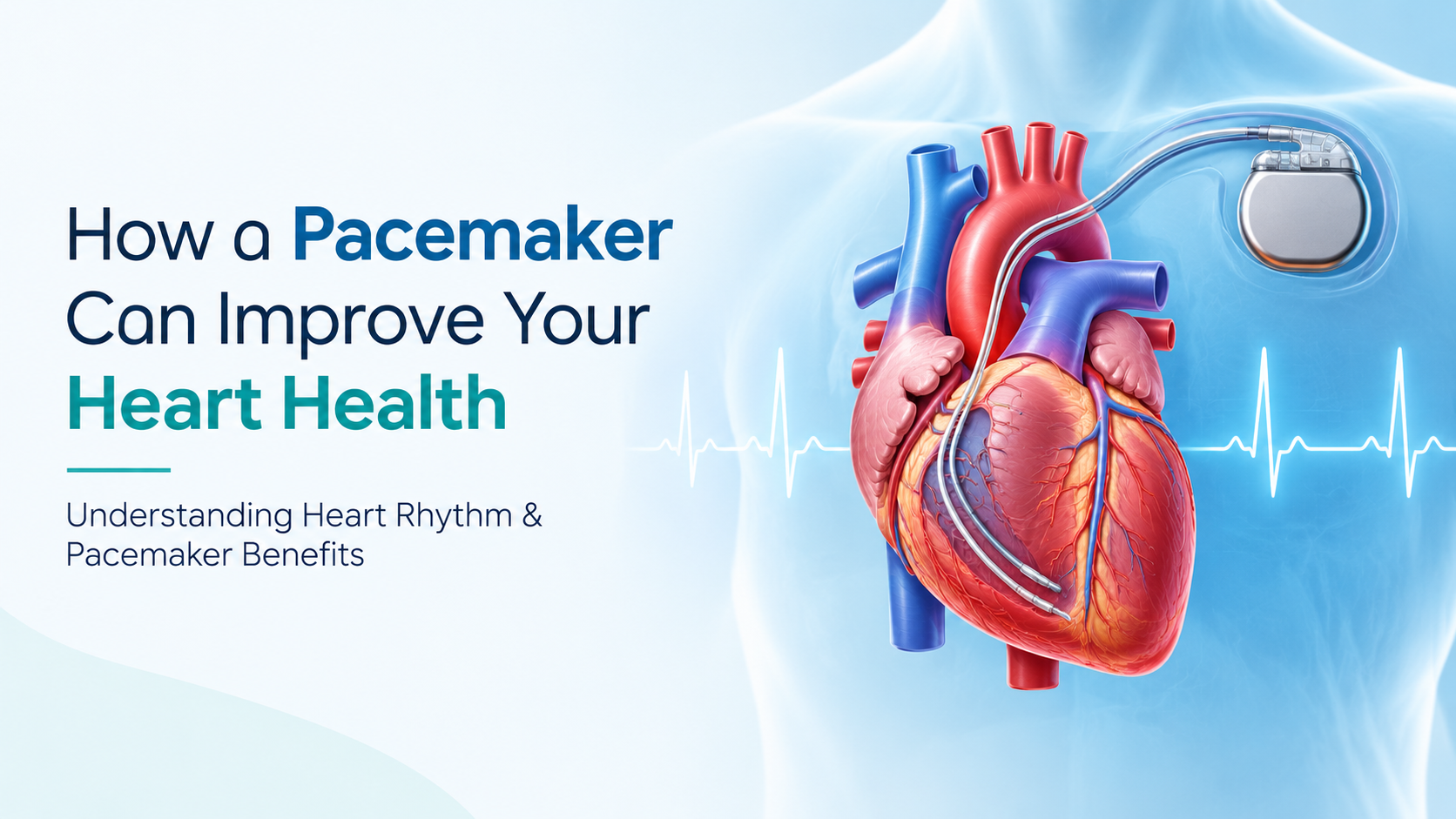
A pacemaker is a small electronic medical device designed to help control an abnormal heart rhythm. It consists of a pulse generator containing a battery and electronic circuitry, along with one or more leads in many conventional systems. These leads deliver electrical impulses to the heart when needed.
Modern pacemakers monitor the heart’s electrical activity and provide stimulation when the heartbeat becomes too slow or when certain electrical conduction problems occur. Some newer pacemakers use leadless technology, placing a compact device directly inside the heart without conventional leads.
A pacemaker does not cure every type of heart disease. Instead, it helps manage specific rhythm and conduction disorders by supporting an appropriate heart rate.
Why Might You Need a Pacemaker?
A cardiologist may recommend pacemaker implantation when the heart’s natural electrical system cannot maintain an adequate heart rate. The decision depends on symptoms, test results, the underlying condition, and individual clinical circumstances.
Common reasons for pacemaker implantation include:
- Bradycardia: A heart rate that is too slow to meet the body’s needs, particularly when associated with symptoms.
- Heart block: A condition in which electrical signals travel too slowly or fail to pass normally between the upper and lower chambers of the heart.
- Sinus node dysfunction: A problem involving the heart’s natural pacemaker, which may cause an abnormally slow or irregular heartbeat.
- Certain conduction disorders: Electrical abnormalities that can interfere with coordinated heart function.
- Selected cases of heart failure: Some patients may benefit from cardiac resynchronization therapy (CRT), a specialized pacing treatment that helps coordinate the contraction of the heart’s chambers.
Symptoms such as unexplained fainting, persistent fatigue, dizziness, and exercise intolerance may warrant cardiac evaluation. These symptoms can have several causes, so a pacemaker should only be considered after appropriate medical assessment.
How Can a Pacemaker Improve Your Heart Health?
Pacemaker implantation can provide several benefits for patients with the appropriate medical indications.
1. Helps Maintain an Appropriate Heart Rate
A pacemaker detects when the heart beats too slowly and delivers electrical impulses when necessary. This helps maintain a heart rate suitable for the patient’s needs and may reduce symptoms associated with bradycardia.
2. Reduces Dizziness and Fainting
A slow heartbeat or certain conduction abnormalities can reduce blood flow to the brain, leading to dizziness or fainting. In appropriately selected patients, a pacemaker can reduce these symptoms by supporting a more reliable heartbeat.
3. Improves Energy Levels
When the heart rate is insufficient, the body may not receive the blood flow required during routine activities. Patients with symptomatic bradycardia may experience fatigue and weakness. Effective pacing can help improve energy levels and daily functioning.
4. Supports Daily Activities
After recovery, many patients can return to regular activities, including walking, household tasks, and other forms of physical activity recommended by their doctor. The extent of improvement depends on the underlying condition and any other heart or health problems.
5. Provides Long-Term Rhythm Support
A pacemaker continuously monitors the heart’s activity and provides pacing when needed. Regular device checks allow the treating team to assess performance, review stored information when available, and monitor battery life.
6. May Improve Heart Function in Selected Patients
Certain patients with heart failure and electrical conduction abnormalities may benefit from cardiac resynchronization therapy. This specialized pacing approach helps coordinate the heart’s pumping action and may improve symptoms and heart function in suitable candidates.
What Happens During Pacemaker Implantation?
Pacemaker implantation is a commonly performed cardiac procedure. It is generally carried out in a hospital by a qualified cardiologist or an appropriately trained cardiac specialist.
The exact approach depends on the device selected and the patient’s condition.
Step 1: Pre-procedure assessment
The doctor reviews the patient’s medical history, symptoms, medications, and diagnostic test results. An ECG, echocardiogram, or ambulatory heart monitoring may be required.
Step 2: Preparation
The patient receives instructions about fasting, medication adjustments, and other preparations. The procedure is typically performed under local anaesthesia, sometimes with sedation.
Step 3: Device placement
For a conventional pacemaker, the doctor generally makes a small incision near the collarbone and guides leads through a blood vessel into the heart. The pulse generator is placed under the skin, and the system is tested to confirm appropriate function.
For selected patients, a leadless pacemaker may be inserted through a blood vessel, usually in the groin, and positioned inside the heart.
Step 4: Monitoring and discharge
After implantation, the medical team checks the device and monitors the patient for possible complications. Some patients go home the same day, while others require an overnight stay, depending on their condition and the hospital’s protocol.
Choosing a Pacemaker Implantation Surgeon in India
Patients searching for a Pacemaker Implantation Surgeon in India should consider the specialist’s relevant qualifications, experience with device implantation, and familiarity with the patient’s particular rhythm disorder.
Important factors include:
- Appropriate cardiology or electrophysiology training.
- Experience with conventional and, where relevant, leadless pacemakers.
- Access to suitable cardiac diagnostic and monitoring facilities.
- Clear explanations of the procedure, potential risks, and expected benefits.
- Availability of long-term device follow-up and programming services.
Patients should also ask whether their condition requires a standard pacemaker, a specialized pacing system, or another treatment. Not every abnormal heartbeat requires a pacemaker, and treatment should be based on an individualized clinical assessment.
Best Cardiologist in India: Finding the Right Heart Specialist
Searching for the Best Cardiologist in India is often the first step for patients experiencing heart rhythm problems or other cardiovascular symptoms. However, the right specialist depends on the specific diagnosis and the treatment required.
A cardiologist evaluates and manages a wide range of conditions, including hypertension, coronary artery disease, heart failure, and rhythm disorders. Patients who require pacemaker implantation may benefit from consulting a cardiologist with relevant expertise in cardiac devices or an electrophysiologist.
When comparing specialists, review verified qualifications, relevant clinical experience, hospital facilities, and the availability of follow-up care. Clear communication and a personalized treatment plan are also important considerations.
Best Cardiologist in Fortis Hospital India: What Should You Look For?
People searching for the Best Cardiologist in Fortis Hospital India may be looking for experienced specialists and access to advanced cardiac services. When considering a cardiologist at Fortis or another hospital, confirm the doctor’s current hospital affiliation, expertise in the relevant condition, and access to the required procedure.
For pacemaker treatment, patients should check whether the hospital offers appropriate implantation facilities, post-procedure monitoring, device programming, and long-term follow-up. The choice of specialist should be guided by clinical needs rather than promotional rankings alone.
Best Cardiology Treatment in India: The Importance of Personalized Care
The Best Cardiology Treatment in India depends on the patient’s condition, symptoms, medical history, and overall cardiovascular risk. Treatment options may include medication, lifestyle changes, catheter-based procedures, pacemaker implantation, or other cardiac interventions.
For patients with symptomatic bradycardia or certain conduction disorders, a pacemaker can be an effective treatment. However, the device may not address other causes of fatigue, chest discomfort, or breathlessness. A comprehensive evaluation helps determine the most appropriate course of action.
After implantation, patients should attend scheduled device checks, follow wound-care instructions, and discuss exercise and activity restrictions with their doctor. They should also ask about precautions involving electronic equipment and medical procedures.
Life After Pacemaker Implantation
Recovery varies between individuals, but many patients gradually return to their usual routines. During the initial recovery period, the doctor may recommend limiting strenuous activity and certain arm movements on the side of implantation to allow the incision and leads, when present, to heal properly.
Patients should keep the wound clean and follow the hospital’s discharge instructions. They should contact their healthcare provider if they develop increasing redness, swelling, discharge, fever, or worsening pain near the implantation site.
Seek urgent medical attention for severe breathlessness, chest pain, fainting, or other potentially serious symptoms. A pacemaker improves specific rhythm problems, but it does not eliminate the need for ongoing cardiovascular care.
If you are considering pacemaker implantation, consult a suitably qualified cardiac specialist to discuss your symptoms, diagnostic findings, treatment options, and follow-up requirements. Before scheduling an appointment, verify the doctor’s current hospital affiliation and experience with the procedure relevant to your condition.
A pacemaker can significantly improve symptoms and daily functioning for people with certain slow heart rhythms and electrical conduction disorders. By supporting an appropriate heart rate, the device may help reduce dizziness, fainting, and fatigue while allowing many patients to resume their regular activities after recovery.
Whether you are researching a Pacemaker Implantation Surgeon in India, the Best Cardiologist in India, the Best Cardiologist in Fortis Hospital India, or the Best Cardiology Treatment in India, prioritize verified expertise, individualized treatment, appropriate facilities, and long-term follow-up.
Timely evaluation and guidance from a qualified cardiologist can help you understand your heart condition and make informed decisions about your treatment and long-term heart health.
Dr. Nityanand Tripathi is committed to providing comprehensive, evidence-based cardiac care for patients with heart rhythm disorders. With a focus on accurate diagnosis, personalized treatment planning, and advanced cardiac care, he helps patients explore suitable treatment options, including pacemaker implantation when medically indicated. His patient-centric approach emphasizes improving heart function, managing symptoms, and supporting long-term cardiovascular health and quality of life.