

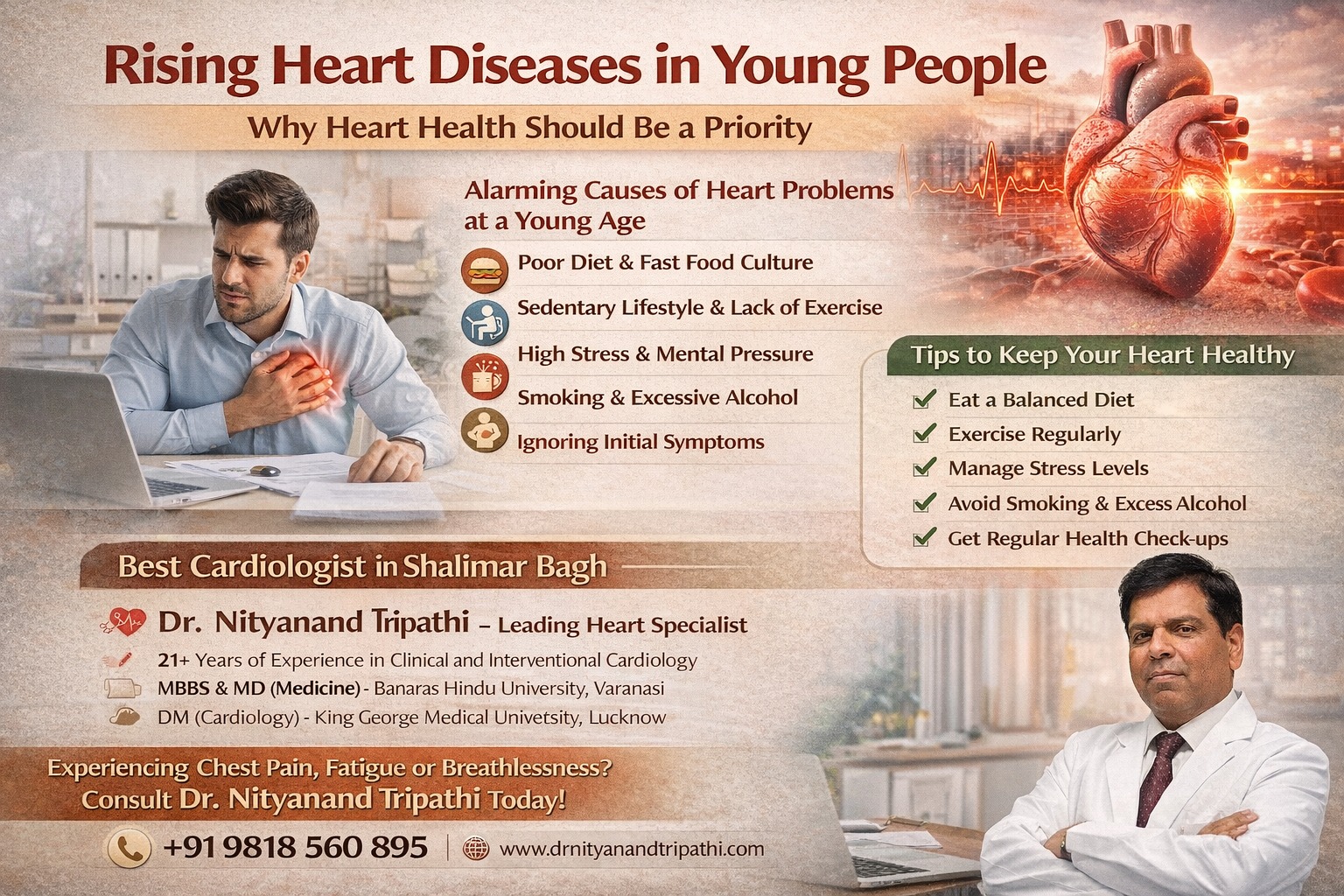
Heart disease was once considered a condition that mostly affected older adults. However, in recent years, doctors and cardiologists have observed a significant increase in heart-related problems among young people. Individuals in their 20s, 30s, and early 40s are now facing conditions such as high blood pressure, high cholesterol, and even heart attacks.
One of the biggest reasons behind this alarming trend is the modern lifestyle. Many young people are busy with work, social life, and technology-driven routines. Unfortunately, in the process, they often ignore their health. Unhealthy food habits, stress, lack of exercise, smoking, and poor sleep patterns are gradually damaging heart health without people even realizing it.
Understanding the causes and taking preventive steps can help protect the heart and reduce the risk of serious cardiovascular diseases.
Why Are Young People at Higher Risk of Heart Disease Today?
Poor Eating Habits and Fast Food Culture
One of the main reasons young people are experiencing heart problems is their diet. Many individuals prefer fast food because it is quick, convenient, and easily available. However, most fast foods are high in unhealthy fats, sodium, and sugar.
Regular consumption of processed foods such as burgers, fried items, sugary beverages, and packaged snacks can increase cholesterol levels and cause plaque buildup in arteries. Over time, this can lead to blockages in blood vessels, increasing the risk of heart attack and stroke.
Sedentary Lifestyle and Lack of Physical Activity
Another major factor affecting heart health is the lack of physical activity. With the rise of desk jobs, remote work, and long hours spent on computers or mobile phones, many young people are living a sedentary lifestyle.
When the body does not get enough movement, it leads to weight gain, poor blood circulation, and increased risk of conditions such as obesity, diabetes, and hypertension—all of which directly impact heart health.
High Stress Levels and Mental Pressure
Stress has become a common part of modern life. Career pressure, financial responsibilities, personal expectations, and social challenges can cause constant stress.
Chronic stress triggers the release of hormones such as cortisol and adrenaline, which can increase blood pressure and heart rate. Over time, this continuous pressure on the heart can increase the chances of developing cardiovascular diseases.
Smoking and Alcohol Consumption
Smoking and excessive alcohol consumption are two major risk factors for heart disease among young people.
Smoking damages the lining of blood vessels, reduces oxygen supply to the heart, and increases the formation of blood clots. This significantly raises the risk of heart attacks and other cardiovascular complications.
Similarly, excessive alcohol intake can increase blood pressure and contribute to weight gain and irregular heart rhythms.
Lack of Awareness and Ignoring Early Symptoms
Many young individuals believe that heart disease only affects older adults. Because of this misconception, they often ignore early warning signs such as chest discomfort, fatigue, shortness of breath, or irregular heartbeat.
Ignoring these symptoms can delay diagnosis and treatment, which may lead to serious health complications.
Common Warning Signs of Heart Problems
Recognizing early symptoms can help prevent serious complications. Some warning signs include:
- Chest pain or discomfort
- Shortness of breath
- Excessive fatigue
- Rapid or irregular heartbeat
- Pain in the arms, neck, jaw, or back
- Dizziness or fainting
If these symptoms occur frequently, it is important to consult a cardiologist immediately.
How to Maintain Good Heart Health
Follow a Heart-Healthy Diet
Include fruits, vegetables, whole grains, lean proteins, and healthy fats in your daily meals. Avoid excessive consumption of fried foods, processed snacks, and sugary beverages.
Exercise Regularly
Engaging in regular physical activity such as walking, jogging, cycling, swimming, or yoga helps strengthen the heart and improve circulation.
Maintain a Healthy Weight
Keeping your body weight within a healthy range reduces the risk of hypertension, diabetes, and heart disease.
Manage Stress
Practicing meditation, relaxation techniques, and maintaining a balanced lifestyle helps reduce stress levels.
Regular Health Check-ups
Routine health check-ups help detect early signs of heart disease and allow timely treatment.
Best Cardiologist in Shalimar Bagh
Trusted Heart Care for a Healthy and Strong Heart
Heart health is one of the most important aspects of overall well-being. If you experience symptoms such as chest pain, irregular heartbeat, high blood pressure, or shortness of breath, consulting an experienced cardiologist is essential.
Finding the Best Cardiologist in Shalimar Bagh ensures that patients receive expert diagnosis, advanced treatment options, and personalized heart care to prevent serious cardiovascular complications.
Best Cardiologist in Shalimar Bagh – Expert Cardiac Care You Can Trust
Dr. Nityanand Tripathi – Leading Heart Specialist
Dr. Nityanand Tripathi has vast clinical experience in clinical and interventional cardiology and electrophysiology for more than 21 years. He is known for his expertise in diagnosing and managing complex heart conditions with advanced medical care.
He completed his MBBS and MD (Medicine) from the Institute of Medical Sciences, Banaras Hindu University, Varanasi, and later pursued DM (Cardiology) from King George Medical University, Lucknow.
With years of experience and dedication to patient care, Dr. Nityanand Tripathi has helped numerous patients manage heart diseases effectively through accurate diagnosis, advanced treatment techniques, and personalized care plans.
Patients seeking reliable heart care often consider consulting the Best Cardiologist in Shalimar Bagh to ensure proper treatment and long-term heart health.
Conclusion
Heart diseases among young people are increasing due to unhealthy lifestyles, stress, and poor dietary habits. However, these risks can be significantly reduced through healthy lifestyle choices and early medical consultation.
Maintaining a balanced diet, staying physically active, managing stress, and scheduling regular health check-ups are essential steps toward protecting your heart.
If you experience symptoms related to heart health, consulting the Best Cardiologist in Shalimar Bagh can help ensure early diagnosis, effective treatment, and better long-term cardiovascular health.