
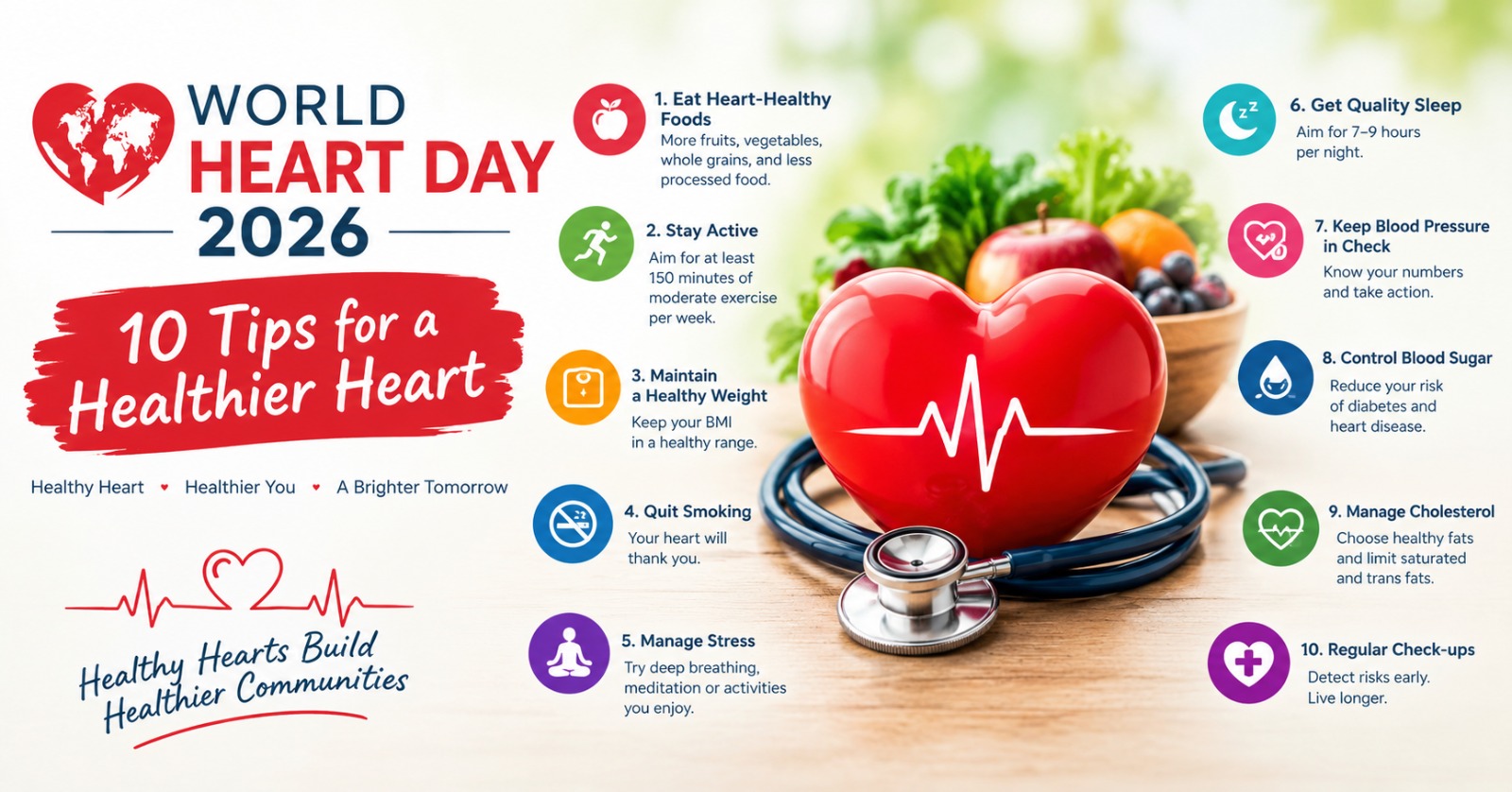
World Heart Day 2026 is a reminder that protecting your heart starts with everyday choices. Heart disease remains one of the leading health concerns worldwide, but many cardiovascular risk factors can be managed through a healthy lifestyle, regular check-ups, and timely medical care.
Dr. Nityanand Tripathi, Principal Director & HOD – Cardiology & Electrophysiology, specialises in evaluating and managing cardiac rhythm and electrophysiological disorders. With specialised cardiac expertise, he helps patients understand their heart health and take appropriate steps toward prevention and treatment. Patients searching for the Best Cardiologist in Fortis Hospital Shalimar Bagh Delhi can consider a specialist’s expertise, experience, and area of cardiac care when choosing appropriate medical guidance.
This World Heart Day, let’s look at 10 simple and practical tips for a healthier heart.
Why Is Heart Health Important?
Your heart works continuously to pump blood and oxygen throughout your body. Conditions such as high blood pressure, high cholesterol, diabetes, obesity, smoking, and physical inactivity can gradually increase the risk of heart disease.
The good news is that several of these risk factors can be reduced by making healthier lifestyle choices.
10 Tips for a Healthier Heart
1. Eat a Heart-Healthy Diet
A balanced diet plays an important role in cardiovascular health. Include plenty of vegetables, fruits, whole grains, pulses, nuts, and other nutrient-rich foods in your meals.
Try to limit:
- Excess salt
- Fried and processed foods
- Foods high in saturated and trans fats
- Added sugars
- Sugary drinks
Choose healthier cooking methods such as steaming, grilling, or baking instead of frequent deep-frying.
2. Stay Physically Active
Regular physical activity helps maintain a healthy weight, supports blood pressure control, and improves overall cardiovascular fitness.
Aim for regular moderate-intensity activity, such as:
- Brisk walking
- Cycling
- Swimming
- Light jogging
- Dancing
If you have an existing heart condition or have been inactive for a long time, speak with your doctor before starting an intense exercise programme.
3. Maintain a Healthy Weight
Being overweight or obese can increase the risk of high blood pressure, diabetes, high cholesterol, and heart disease.
Instead of following extreme diets, focus on sustainable habits—balanced meals, portion control, regular physical activity, and adequate sleep.
4. Keep Your Blood Pressure Under Control
High blood pressure often has no obvious symptoms, which is why it is sometimes called a “silent” risk factor.
Regularly monitor your blood pressure, especially if you have a family history of hypertension or heart disease. If your doctor prescribes medication, take it as directed and do not stop it without medical advice.
5. Check Your Cholesterol and Blood Sugar
High cholesterol can contribute to the buildup of plaque in the arteries, while uncontrolled diabetes can damage blood vessels and increase cardiovascular risk.
Routine health checks can help identify these problems early. If your cholesterol or blood sugar levels are elevated, lifestyle changes and medical treatment may help reduce your long-term risk.
6. Quit Smoking and Avoid Tobacco
Smoking damages blood vessels, increases the risk of blood clots, and is strongly associated with heart disease.
Quitting smoking is one of the most important things you can do for your heart. Avoiding tobacco in all forms can also benefit your lungs and overall health.
7. Manage Stress
Long-term stress can affect sleep, blood pressure, eating habits, and overall wellbeing.
Make time for activities that help you relax, such as:
- Walking
- Yoga
- Meditation
- Deep-breathing exercises
- Spending time with family and friends
- Pursuing hobbies
If stress feels overwhelming or persistent, consider speaking with a qualified healthcare professional.
8. Get Enough Quality Sleep
Good sleep is an important part of a healthy lifestyle. Poor or insufficient sleep may be associated with several cardiovascular risk factors.
Most adults should aim for around 7–9 hours of quality sleep each night. Maintaining a consistent sleep schedule and reducing screen exposure before bedtime may help improve sleep quality.
9. Limit Alcohol
Excessive alcohol consumption can contribute to high blood pressure and other health problems.
If you drink alcohol, moderation is important. People who do not drink should not start drinking for the purpose of improving heart health.
10. Don’t Ignore Warning Signs
Knowing the warning signs of a heart problem can help you seek medical attention promptly.
Possible symptoms of a heart attack can include:
- Chest pressure, tightness, or pain
- Pain spreading to the arm, shoulder, back, neck, or jaw
- Shortness of breath
- Cold sweating
- Nausea or vomiting
- Sudden weakness or unusual fatigue
Some people may experience less typical symptoms, particularly women, older adults, and people with diabetes.
If you experience sudden or severe symptoms that could indicate a heart attack, seek emergency medical care immediately.
When Should You See a Cardiologist?
You may benefit from a cardiology consultation if you have symptoms such as recurring chest discomfort, unexplained breathlessness, palpitations, dizziness, fainting, or an irregular heartbeat.
A cardiologist may also recommend evaluation if you have cardiovascular risk factors such as hypertension, diabetes, high cholesterol, obesity, smoking, or a strong family history of heart disease.
For patients experiencing palpitations or suspected rhythm abnormalities, specialised evaluation by an electrophysiology expert can be particularly important.
If you are researching the Best Cardiologist in Fortis Hospital Shalimar Bagh Delhi, it is important to consider the specialist’s qualifications, clinical experience, specific area of expertise, and whether their expertise matches your cardiac condition or symptoms.
How Can You Protect Your Heart Every Day?
Heart health is not about making one change once a year. It is about developing healthy habits that become part of your daily routine.
A simple approach is:
Eat well → Stay active → Monitor your health → Manage stress → Sleep well → Avoid tobacco → Seek medical advice when needed.
Regular health check-ups can help identify cardiovascular risk factors and allow appropriate action at an early stage.
Take Charge of Your Heart Health This World Heart Day
World Heart Day 2026 is more than a day of awareness—it is an opportunity to make lasting changes. A healthier diet, regular physical activity, good sleep, stress management, and regular health monitoring can all contribute to better heart health.
For specialised cardiac rhythm and electrophysiology care, Dr. Nityanand Tripathi, Principal Director & HOD – Cardiology & Electrophysiology, specialises in evaluating and managing cardiac rhythm and electrophysiological disorders. Patients looking for the best cardiologist at Fortis Hospital Shalimar Bagh, Delhi, can seek an expert cardiac evaluation based on their symptoms, medical history, and individual healthcare needs.
Your heart works for you every day. This World Heart Day, make your heart a priority.
Frequently Asked Questions
1. When is World Heart Day 2026?
World Heart Day 2026 will be observed on September 29, 2026. It aims to raise awareness about cardiovascular health and encourage people to adopt heart-healthy habits.
2. What are the best ways to keep your heart healthy?
Eating a balanced diet, exercising regularly, maintaining a healthy weight, controlling blood pressure and cholesterol, avoiding tobacco, getting adequate sleep, managing stress, and attending recommended health check-ups can support heart health.
3. What are the warning signs of a heart attack?
Common warning signs can include chest pain or pressure, shortness of breath, sweating, nausea, and discomfort that may spread to the arm, shoulder, back, neck, or jaw. Sudden or severe symptoms require immediate medical attention.
4. When should I consult a cardiologist?
Consult a cardiologist if you experience recurring chest discomfort, unexplained breathlessness, persistent palpitations, dizziness, fainting, or an irregular heartbeat. People with cardiovascular risk factors may also benefit from regular evaluation.
5. What does a cardiac electrophysiologist treat?
A cardiac electrophysiologist specialises in disorders involving the heart’s electrical system and rhythm, including various types of cardiac arrhythmias.
6. Can heart disease be prevented?
Many cardiovascular risk factors can be reduced or controlled through healthy lifestyle choices and appropriate medical care. Regular health assessments can help identify and manage modifiable risk factors.
Medical Disclaimer
This article is intended for general health awareness and educational purposes only. It should not replace professional medical advice, diagnosis, or treatment. If you experience symptoms that may indicate a medical emergency, seek immediate medical attention.