
Heart disease continues to be one of the leading causes of illness and death worldwide, and Coronary Artery Disease (CAD) is the most common type. It occurs when the coronary arteries that supply oxygen-rich blood to the heart become narrowed or blocked due to plaque buildup. If left untreated, CAD can lead to chest pain (angina), heart attacks, heart failure, and other serious complications.
If you are searching for the best coronary artery treatment in Delhi, timely diagnosis and treatment by an experienced interventional cardiologist can significantly improve outcomes. Dr. Nityanand Tripathi, Senior Interventional Cardiologist at Fortis Hospital, Shalimar Bagh, Delhi, has over 21 years of experience in clinical cardiology, interventional cardiology, and electrophysiology. He specializes in advanced coronary interventions, complex angioplasty procedures, and preventive heart care.
What is Coronary Artery Disease?
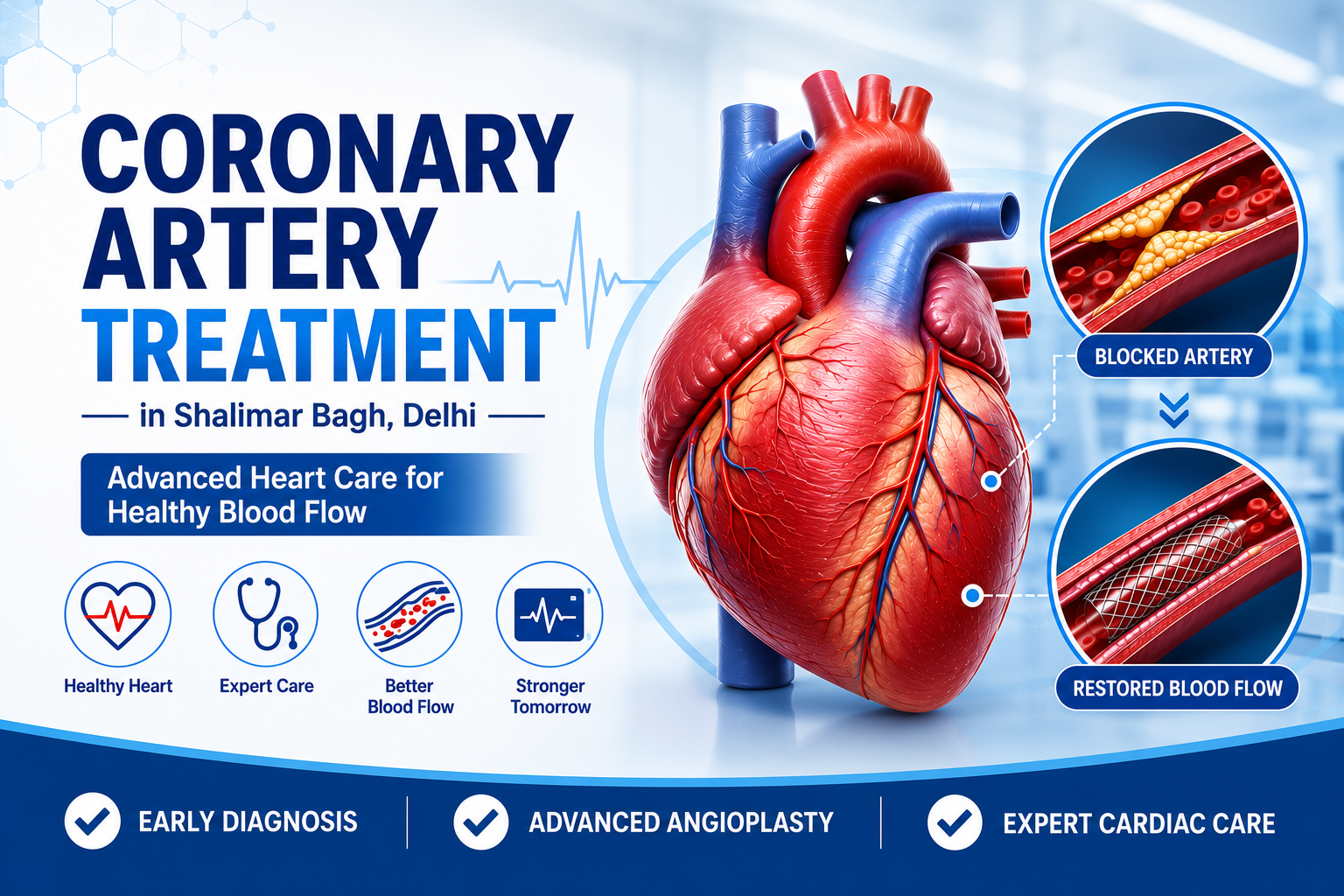
Coronary artery disease develops when cholesterol, fat, calcium, and other substances accumulate inside the coronary arteries, forming plaques. Over time, these plaques narrow the arteries and reduce blood flow to the heart muscle.
In severe cases, a plaque may rupture and form a blood clot, completely blocking blood flow and causing a heart attack.
Early diagnosis and treatment can prevent complications and improve long-term heart health.
Common Symptoms of Coronary Artery Disease
Symptoms vary depending on the severity of the blockage. Some people may have no symptoms until a heart attack occurs.
Common warning signs include:
- Chest pain or pressure (Angina)
- Shortness of breath
- Pain radiating to the left arm, shoulder, jaw, neck, or back
- Fatigue during physical activity
- Dizziness or lightheadedness
- Cold sweats
- Irregular heartbeat
- Nausea
If chest pain lasts for more than a few minutes or is accompanied by sweating or breathlessness, seek emergency medical care immediately.
Risk Factors
Several factors increase the risk of coronary artery disease, including:
- High blood pressure
- High cholesterol
- Diabetes
- Smoking
- Obesity
- Sedentary lifestyle
- Family history of heart disease
- Chronic stress
- Unhealthy diet
- Increasing age
Managing these risk factors through lifestyle changes and regular cardiac check-ups can significantly reduce the likelihood of developing CAD.
How is Coronary Artery Disease Diagnosed?
An experienced cardiologist will recommend appropriate investigations based on symptoms and medical history.
Diagnostic tests may include:
- Electrocardiogram (ECG)
- Echocardiography (2D Echo)
- Treadmill Test (TMT)
- Cardiac CT Scan
- Blood tests
- Stress imaging
- Coronary Angiography
Coronary angiography remains the gold standard for identifying the location and severity of arterial blockages and helps determine the most suitable treatment approach.
Coronary Artery Treatment in Delhi
Treatment depends on the severity of the disease, symptoms, and overall health of the patient.
1. Lifestyle Modification
Patients with early-stage coronary artery disease are advised to:
- Eat a heart-healthy diet
- Exercise regularly
- Quit smoking
- Maintain a healthy weight
- Control diabetes and blood pressure
- Reduce stress
- Limit alcohol consumption
These changes help slow disease progression and improve overall cardiovascular health.
2. Medications
Several medications help manage coronary artery disease, including:
- Blood thinners
- Cholesterol-lowering drugs (Statins)
- Blood pressure medications
- Beta-blockers
- ACE inhibitors
- Nitrates for chest pain
Medicines help reduce symptoms, prevent blood clots, and lower the risk of heart attacks.
3. Coronary Angioplasty
Coronary angioplasty is a minimally invasive procedure used to open blocked coronary arteries.
During the procedure:
- A thin catheter is inserted through the wrist or groin.
- A balloon is inflated to widen the narrowed artery.
- A stent is placed to keep the artery open.
Benefits include:
- Improved blood flow
- Relief from chest pain
- Reduced heart attack risk
- Faster recovery than open-heart surgery
- Short hospital stay
4. Complex Coronary Interventions
Some patients have heavily calcified or multiple blocked arteries that require advanced techniques.
5. Coronary Artery Bypass Surgery (CABG)
Patients with severe multi-vessel disease or blockages unsuitable for angioplasty may require coronary artery bypass graft (CABG) surgery.
The cardiologist and cardiac surgeon work together to determine the most appropriate treatment option for each patient.
Why Early Treatment Matters
Cardiologists often say, “Time is muscle.” During a heart attack, every minute of delayed treatment results in more damage to the heart muscle.
Seeking immediate treatment offers several advantages:
- Reduced heart damage
- Better survival rates
- Lower risk of heart failure
- Faster recovery
- Improved quality of life
Prompt angioplasty can restore blood flow and significantly improve patient outcomes.
Why Choose Dr. Nityanand Tripathi for Coronary Artery Treatment in Delhi?
Choosing the right cardiologist is crucial for successful heart disease management.
Dr. Nityanand Tripathi offers:
- More than 21 years of clinical experience
- Expertise in interventional cardiology and electrophysiology
- Advanced coronary angioplasty procedures
- Treatment of complex coronary artery disease
- Personalized treatment plans
- State-of-the-art diagnostic facilities
- Patient-focused approach
- Preventive cardiology and long-term follow-up
He practices at Fortis Hospital, Shalimar Bagh, where patients have access to modern cardiac care and advanced catheterization laboratory facilities.
Recovery After Coronary Artery Treatment
Recovery depends on the type of treatment and the patient’s overall health.
To support long-term recovery:
- Take medications as prescribed.
- Attend follow-up appointments.
- Follow a heart-healthy diet.
- Exercise regularly under medical guidance.
- Monitor blood pressure, cholesterol, and blood sugar.
- Avoid tobacco products.
- Maintain a healthy weight.
Cardiac rehabilitation programs can further improve strength, endurance, and confidence after treatment.
Tips to Prevent Coronary Artery Disease
Prevention is the best way to protect your heart.
Follow these heart-healthy habits:
- Eat more fruits, vegetables, and whole grains.
- Limit saturated fats, salt, and processed foods.
- Stay physically active for at least 30 minutes most days.
- Quit smoking.
- Manage stress through yoga or meditation.
- Get regular health check-ups.
- Control diabetes, blood pressure, and cholesterol.
Small lifestyle changes can have a lasting impact on heart health.
Coronary artery disease is a serious but treatable condition. Early diagnosis, timely intervention, and expert cardiac care can prevent heart attacks and improve quality of life. Whether you require lifestyle management, medication, coronary angiography, angioplasty, or advanced coronary intervention, choosing an experienced cardiologist is essential.
If you are looking for coronary artery treatment in Shalimar Bagh, Delhi, Dr. Nityanand Tripathi provides comprehensive, evidence-based cardiac care using the latest diagnostic tools and minimally invasive treatment techniques. With extensive experience in complex coronary interventions and a patient-centric approach, he is committed to helping patients achieve better heart health and long-term well-being.